
Why Strength Matters in Rammed Earth Construction
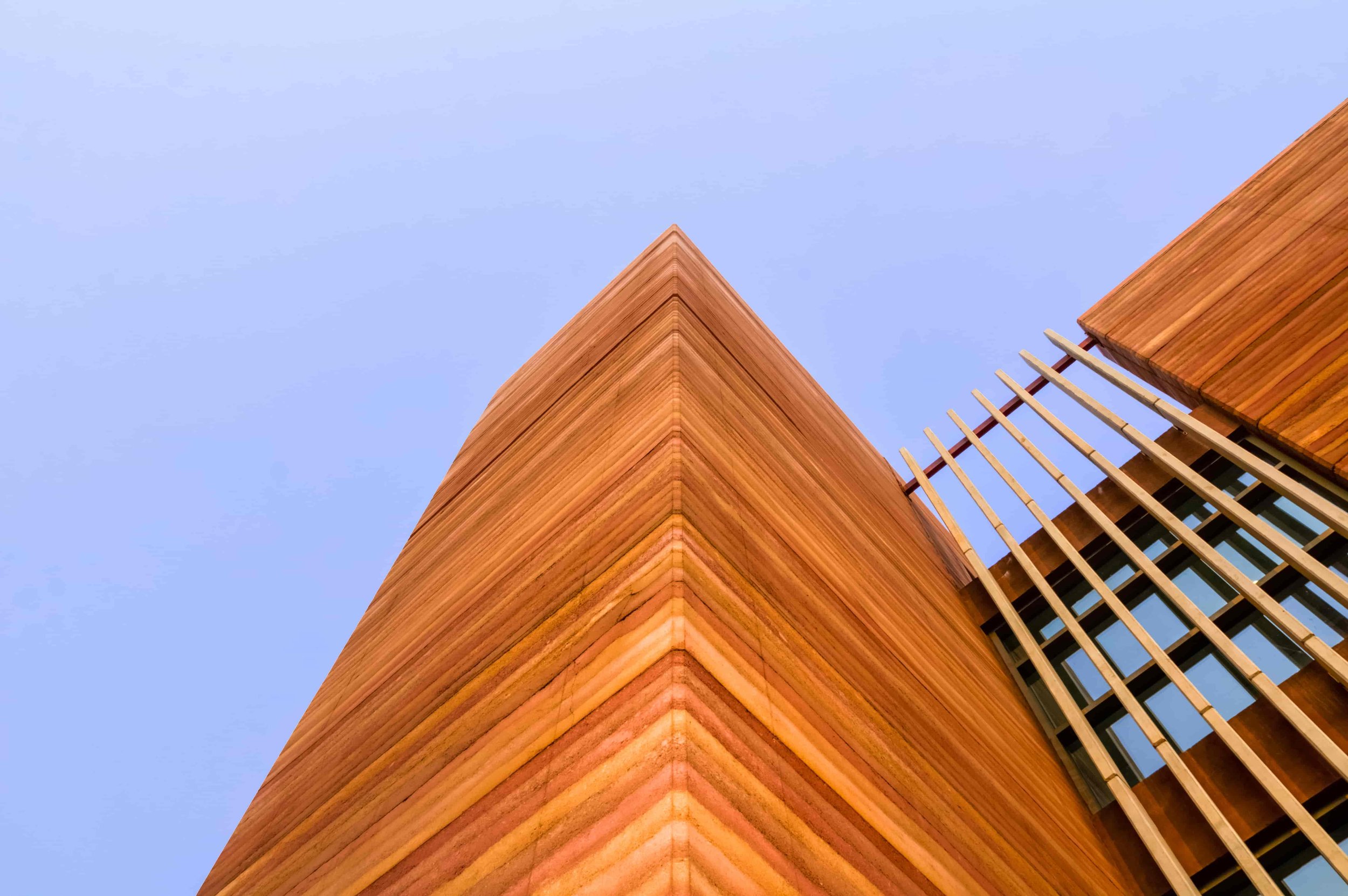
How Concrete-Level Strength Changes What Rammed Earth Can Do
Rammed earth is often admired for its beauty, texture, and connection to natural materials. But in modern construction, appearance alone is not enough. If a wall system is expected to perform over time, resist the elements, require minimal maintenance, and function in demanding applications, strength matters.
That is why compressive strength is such an important benchmark in building materials. Concrete is used throughout the world because it offers proven structural performance and long-term durability. A minimum compressive strength of 3,000 psi (20 MPa) has become a meaningful threshold in modern construction because it supports the resilience, stability, and service life that high-performance buildings require.
At SIREWALL, we believe rammed earth should meet that same standard.
SIREWALL has been engineered to achieve a minimum compressive strength of 3,000 psi (20 MPa) since the early 2000s. That strength is a major reason SIREWALL performs differently from many lower-strength rammed earth systems. It allows rammed earth to move beyond a purely aesthetic or veneer application and function as a durable, reliable building material suited to modern construction.
The practical benefits of that strength are significant. High-strength rammed earth can deliver long-term durability, low maintenance, resistance to weathering, and performance in conditions where weaker rammed earth would be limited. SIREWALL walls do not dust, do not require sealing, can be used in below-grade applications, are suitable for freeze-thaw environments, and are built to withstand demanding environmental conditions over time.
This is where the difference becomes clear.
Many lower-strength rammed earth systems are typically built at around 1,000 psi (7 MPa). While they may still offer the visual appeal of rammed earth, they often do not provide the same durability, resilience, or versatility. In many cases, these systems are better suited to infill applications, require concrete stem walls, and may need patching, sealing, or ongoing maintenance as surfaces weather or erode.
One of the simplest ways to see the difference is through water exposure. A weaker rammed earth wall can be damaged by aggressive washing or prolonged moisture contact. By contrast, SIREWALL walls are designed to withstand much more. In the Red Earth Ranch example, Ricky pressure washes a SIREWALL wall to demonstrate what 3,000 psi (20 MPa) strength makes possible (see the video below). The wall stands up to the water without damage. This performance is further supported by SBA, our hydrophobic admixture, which helps repel water and reduce efflorescence.
Strength has also allowed SIREWALL to expand the possibilities of rammed earth construction in ways that would not be achievable with lower-strength systems. SIREWALL has been used in landmark projects that demonstrate the structural potential of engineered rammed earth, including:
a 100-foot (30 m) rammed earth structure
rammed earth walls in a building tested to 7,200 psi (50 MPa)
50-foot (15 m) load-bearing rammed earth walls backfilled to 31 feet (9.5 m)
Click here to see more of our record-breaking SIREWALL projects.
These are not just technical milestones. They are evidence of what becomes possible when rammed earth is engineered for genuine structural performance.
In the end, strength is not a side detail. It is one of the defining factors that determines how a building material performs, how long it lasts, how much maintenance it requires, and where it can be used. For rammed earth to function as a true modern building system, strength is fundamental.
In rammed earth construction, strength is what transforms a beautiful material into a high-performance building system.
Ricky from Red Earth Ranch pressure washing his SIREWALLs and you will see what 3000 psi (20 mpa) allows for.
Written by Michael Palethorpe
